




Exurb
Contents |
[edit] Introduction
The term exurb, exurbia or exurbian is a US reference to the residential areas well beyond the suburbs. This term is comparable to the UK term, stockbroker belt.
[edit] Residential focus
The residents of these neighbourhoods are often wealthy commuters or exurbanites. These neighbourhoods may also be referred to as commuter towns or bedroom communities.
Exurbs and suburbs are similar in nature. They are dominated by residential properties (and associated services) rather than commercial or industrial facilities. However, there are slight differences between exurbs and suburbs. Suburbs tend to be developed in an area that is near a primary source of employment (such as a major city), while exurbs are more rural and may be separated from the suburbs by green space.
[edit] Resurgence of the exurb
The first use of the term exurb goes back to the 1950s. The concept was popularised by Auguste C. Spectorsky in his 1955 book, 'The Exurbanites'.
The appeal of the exurbs increased dramatically after 2000 and then dipped until about 2010. In 2019, more millennials were moving to the exurbs, reversing the downward trend of the previous decade.
The attraction of exurbs has several causes, including the need for homes that are affordable, as the cost of city living is beyond reach for some. In addition, the upheaval in the manufacturing sector has resulted in the closure of many large sources of traditional employment. While residents remain in their communities, they may be forced to look for jobs elsewhere in other towns or cities.
[edit] Related articles on Designing Buildings Wiki
Featured articles
Check out some of the best features and news from Designing Buildings as well as key stories from around the web.
ECA responds to the Milburn Report

Youth employment to be linked to workforce demand.
The construction industry urgently needs to attract new talent
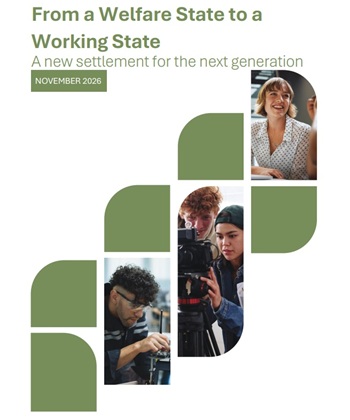
CIOB responds to Neets report.
Grenfell Tower community update

Memorial columns to be retained as careful dismantling continues.
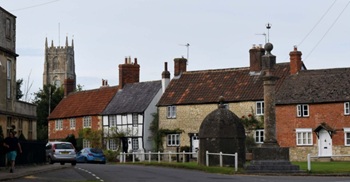
When buildings reflected the local resources available.

CIOB reports 57% are using artificial intelligence technologies.

More of England’s ‘hidden heroes’ will be celebrated.

CIAT calls for retrofit to be a priority.

Version 6 is now available, along with guidance for ECA members.
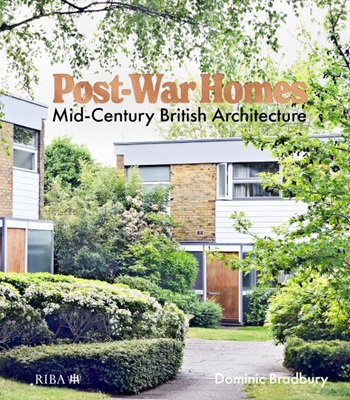
Post-War Homes: mid-century British architecture. Book review.

CIAT reflects on the party conferences.

CIOB announce the winners of the Art of Building photography competition.

National Scheme of Delegation introduced.